Examining How Transaction Pathways Shape Strategy Refinement in Portable Card and Wheel Gaming Ecosystems
Écrit par Lars Bauer · 23/10/2026
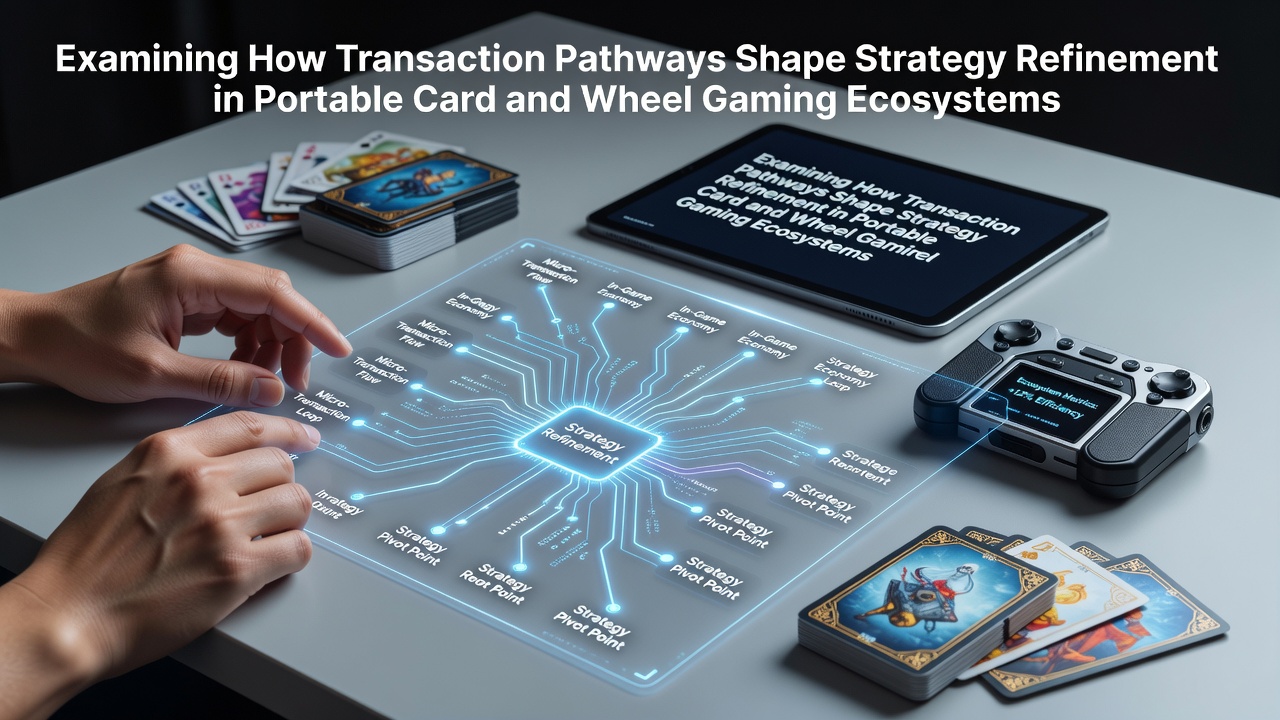
Examining How Transaction Pathways Shape Strategy Refinement in Portable Card and Wheel Gaming Ecosystems
Transaction pathways in portable card and wheel gaming ecosystems refer to the routes players use to deposit and withdraw funds within mobile applications for poker, blackjack, and roulette. These pathways include credit card processors, e-wallets, bank transfers, and digital currency options that connect directly to game servers. Data from multiple jurisdictions shows these methods influence both player decisions and operator adjustments during October 2026 reporting periods.
Core Components of Transaction Pathways
Portable platforms process payments through integrated APIs that track timing, amounts, and frequency of each transfer. Card-based games like poker and blackjack allow real-time adjustments to bet sizes based on available balances, while wheel variants such as roulette rely on consistent funding to maintain spin sequences without interruption. Observers note that seamless pathways reduce friction during high-stakes rounds, enabling participants to refine bankroll allocation on the fly.
Industry reports from the New Jersey Division of Gaming Enforcement highlight how e-wallet integrations increased average session lengths in mobile table games by linking instant deposits to live action. Those pathways also feed analytics engines that operators use to adjust bonus triggers and payout schedules across regions.
Player Strategy Adjustments Driven by Funding Routes
Players adapt their approaches according to the speed and cost structures of each transaction method. Bank transfers often involve delays that encourage conservative bet sizing in blackjack to preserve capital over longer periods, whereas instant e-wallet options support aggressive raises in poker tournaments when balances update immediately. Research indicates these differences lead to measurable shifts in risk tolerance, particularly in wheel games where rapid re-betting follows each outcome.
One analysis of mobile roulette sessions found that users relying on digital currency pathways executed more frequent small wagers because transaction fees remained lower than traditional card processing. This pattern allowed refinement of martingale-style progressions without the same capital erosion seen in slower funding models.
Operator Refinements Based on Transaction Data
Operators collect transaction metadata to recalibrate game parameters and promotional structures. Patterns in deposit timing help identify peak activity windows, prompting adjustments to table limits and wheel speed settings in mobile environments. Figures from the Nevada Gaming Control Board show correlations between preferred funding methods and retention rates for card game apps during the first half of fiscal 2027.

Payment pathway data also informs risk management protocols. High-volume e-wallet users trigger automated reviews that refine fraud detection thresholds, while slower bank-linked accounts receive different verification flows. These refinements maintain ecosystem stability while allowing strategy evolution at both individual and platform levels.
Regional Variations in Pathway Influence
European markets demonstrate distinct behaviors compared with North American ones. Data aggregated by the European Gaming and Betting Association reveals that regulated mobile platforms in multiple member states tie transaction verification to responsible gaming tools, which in turn shapes how players pace their roulette and poker sessions. Australian regulatory summaries from state gaming authorities further illustrate how pathway restrictions affect deposit frequency and subsequent strategy scaling in wheel games.
Cross-border comparisons show that regions permitting broader digital currency access record higher volumes of micro-transactions, which support granular strategy testing without large capital commitments. These variations feed into global platform updates that standardize certain features while preserving local compliance layers.
Conclusion
Transaction pathways continue to serve as foundational elements that connect funding mechanics to strategic decisions across portable card and wheel gaming. Evidence from regulatory bodies and industry datasets demonstrates ongoing refinements in both player tactics and operator systems as new payment options integrate into mobile ecosystems. Continued monitoring of these flows provides the factual basis for understanding ecosystem evolution through late 2026 and beyond.