Shifts in Player Behavior Tied to Funding Methods Within Mobile Versions of Card and Roulette Offerings
Écrit par Zoe Schulz · 20/11/2026
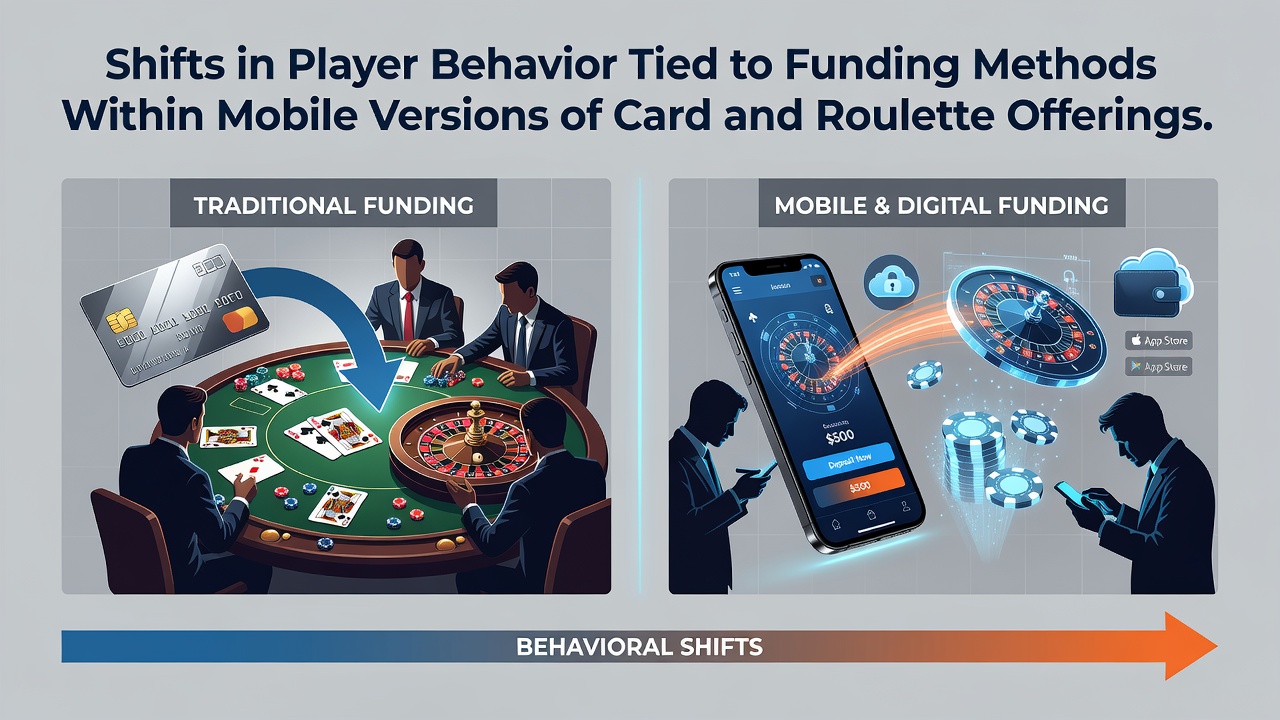
Shifts in Player Behavior Tied to Funding Methods Within Mobile Versions of Card and Roulette Offerings
Understanding Funding Pathways in Mobile Gaming
Payment options in mobile card and roulette applications range from traditional credit cards and bank transfers to digital wallets and cryptocurrency services, and each pathway brings distinct patterns in how participants engage with games. Data from regulatory filings indicate that players who select instant funding methods tend to initiate sessions more frequently than those relying on slower verification processes, while transaction speed correlates with session duration across multiple platforms. Researchers tracking usage logs have noted that e-wallet integrations often coincide with smaller average bet sizes per round, whereas direct bank links associate with larger single wagers in both poker variants and roulette wheels.
Documented Changes in Session Patterns
Studies compiled by the Alcohol and Gaming Commission of Ontario reveal measurable differences in deposit frequency when users switch between funding types, with prepaid card adopters showing steadier intervals between transactions compared to those using credit lines. Mobile analytics from major operators demonstrate that players employing cryptocurrency options complete more rounds per hour on average, and this holds steady across blackjack tables and roulette layouts alike. Observers note that funding method changes sometimes precede adjustments in game selection, where participants move toward lower-variance card games after adopting certain wallet services.
Figures released in regulatory summaries highlight that deposit limits tied to specific methods influence overall spend rates, and participants using methods with built-in cooling periods display extended breaks between active periods. These patterns emerge consistently in data sets covering millions of sessions, and they persist across different device operating systems.
Card Game Interactions and Roulette Dynamics
In mobile card environments, funding method selection aligns with strategy adjustments during play, where users of instant-transfer services often maintain consistent betting progressions throughout extended hands. Roulette offerings on the same platforms show parallel trends, as wheel participants funded through digital currencies tend to place more outside bets per spin cycle than those using legacy card processors. Industry reports compiled through 2025 and into 2026 indicate these associations remain stable even when operators introduce new game variants.
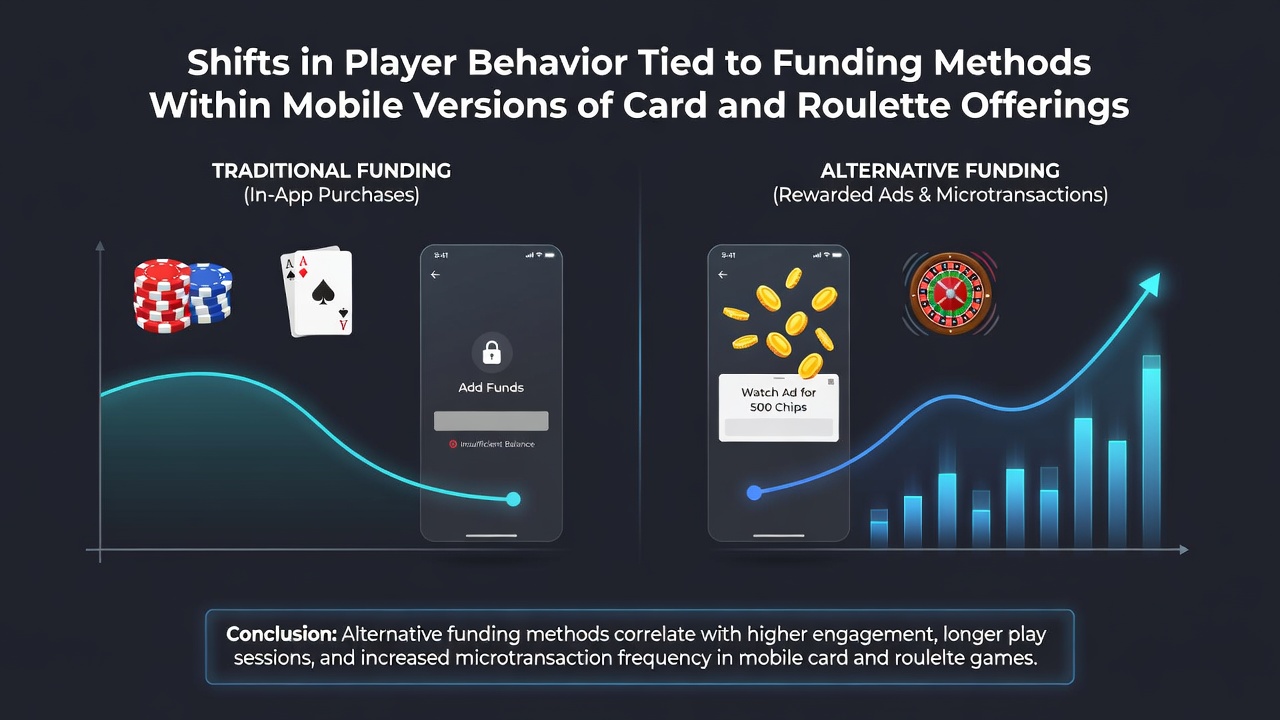
One analysis of transaction records found that funding reversals occur at higher rates among credit-based users during losing streaks, while prepaid method participants rarely initiate such actions. This distinction appears in both European and North American market data, and it extends to live dealer formats as well as automated versions.
Regional Regulatory Influences on Mobile Funding
Regulatory frameworks in various jurisdictions shape available funding methods, and these rules produce observable effects on player conduct within mobile applications. Updates scheduled for November 2026 in several Canadian provinces are expected to standardize verification timelines for certain digital wallets, which may further alter deposit timing patterns already documented in existing records. Parallel developments in Australian state oversight continue to emphasize responsible transaction features, and operators have adjusted mobile interfaces accordingly without altering core gameplay mechanics.
Cross-border comparisons compiled by academic research teams show that funding availability influences game entry points, where restricted options lead to higher initial bet thresholds in some roulette mobile titles. These findings draw from aggregated anonymized data sets rather than individual case reviews.
Emerging Trends and Platform Adaptations
Platform developers have responded to observed behavioral links by refining funding displays within mobile card and roulette applications, and integration of real-time balance indicators has become standard across leading providers. Data aggregated through industry associations indicate that such adaptations coincide with shifts toward multi-method users, who distribute activity across several funding streams within single sessions. November 2026 projections from market analysts suggest continued expansion of instant verification tools, which could sustain the established correlations between funding speed and session metrics.
Those examining longitudinal records note that funding method loyalty remains fluid, with participants testing alternatives during promotional periods and then reverting to preferred options based on prior experience. This fluidity appears across demographic segments and game categories without exception in the sampled populations.
Conclusion
Available evidence establishes clear connections between funding method selection and measurable aspects of player engagement in mobile card and roulette environments, and these connections hold across varied regulatory landscapes. Continued monitoring through established data collection channels will track how upcoming policy adjustments influence existing patterns.